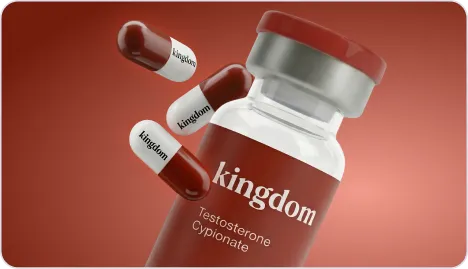
Introduction: The Rising Focus on Hormone Optimization
In today’s world, more adults are seeking ways to reclaim vitality, energy, and overall well-being—often leading them to consider options for improving testosterone levels. From dietary supplements known as legal testosterone boosters to physician-guided prescription testosterone replacement therapy (TRT), understanding these options is essential before making health decisions. As a leader in personalized, evidence-based hormone care, TRT Kingdom is dedicated to providing patients with expert guidance, accessible telehealth solutions, and comprehensive hormone optimization tailored to individual needs.
Understanding Testosterone: The Basics
- Role in the Body: Testosterone supports muscle growth, cognitive function, mood, energy, sex drive, bone health, and overall vitality in both men and women.
- Natural Changes: Levels often decline with age, sometimes triggering symptoms that affect quality of life.
- Signs of Low Testosterone: Fatigue, reduced libido, mood changes, muscle weakness, weight gain, poor concentration, and sleep disturbances. Women may also experience changes in mood and sexual health linked to hormone fluctuations.
Legal Testosterone Boosters
What Are They?
Legal testosterone boosters are over-the-counter (OTC) supplements that typically contain ingredients like fenugreek, zinc, ashwagandha, tribulus terrestris, or D-aspartic acid. They are marketed to support the body’s natural testosterone production, but they are not regulated as prescription medications nor ingredients approved by the FDA for treating clinically low testosterone.
Claims vs. Clinical Evidence
Many boosters claim to help with energy, muscle growth, and libido, but clinical evidence is mixed or limited. For example:
- Fenugreek & Ashwagandha: Some small studies suggest mild benefits, though effects may not be clinically significant in most adults.
- Zinc & Magnesium: Helpful in cases of frank deficiency, but supplementation above normal needs doesn’t usually boost testosterone in healthy individuals.
- Tribulus, D-aspartic acid: Research is inconsistent, and benefits—if any—tend to be modest and not suitable for treating diagnosed low testosterone.
Potential Risks & Side Effects
- Possible digestive upset, headaches, or allergic reactions.
- Variability in supplement quality and ingredient transparency.
- Potential interactions with medications or medical conditions.
- Not suitable as a treatment for confirmed testosterone deficiency.
- Important: Always consult a healthcare provider before starting any booster.
Who Might Consider Boosters?
- Generally healthy adults aiming for minor energy or fitness support—who have normal hormone levels—but not as a substitute for medical therapy.
- Myth-Busting: Boosters do not replace the role of medically necessary TRT for those with clinically confirmed hormonal deficiencies.
Prescription Testosterone Replacement Therapy (TRT)
What Is TRT & Who Needs It?
Prescription TRT is a clinically supervised therapy designed for adults with diagnosed testosterone deficiency, confirmed by blood tests and symptoms. It comes in forms like injections, topical gels, patches, or dissolvable troches, and is only available via a licensed medical provider.
- Diagnosis: Requires lab confirmation and provider evaluation—self-diagnosis is insufficient and potentially risky.
- Patients:Primarily men, but care is also available for women in select cases—such as hormonal imbalances related to menopause, sexual health concerns, and other clinically appropriate needs.
Benefits and Best Practices
- Clinically tested improvements in energy, mood, sexual health, muscle mass, focus, and sense of vitality—when prescribed appropriately.
- Individualized dosing and regular lab monitoring are essential.
- With continuous provider oversight—such as the care available through TRT Kingdom’s telehealth platform—patients benefit from consistent monitoring, dose adjustments, and guidance to support safe, effective results over time.
Potential Risks & Side Effects
- Potential for injection site irritation, changes in blood count, fluid retention, or acne.
- Considerations for heart health, prostate, and fertility—especially long-term.
- Requires thorough evaluation and continuous monitoring for best practices in safety and results.
Key Differences: Boosters vs. TRT
Legal Testosterone Boosters (OTC)
- Pros: Easily accessible over-the-counter without a prescription; generally carries only minor side effects.
- Cons: Ingredients are limited to herbal supplements and minerals; not FDA-approved for treating medical conditions; clinical evidence is limited; lacks professional medical monitoring.
- Best For: Healthy adults looking for general nutritional support rather than medical intervention.
Prescription TRT
- Pros: Utilizes actual testosterone in various forms; backed by robust clinical evidence and a well-characterized safety profile; includes direct provider access and individualized care.
- Cons: Requires a formal medical diagnosis and prescription; involves ongoing costs for comprehensive blood work and monitoring.
- Best For: Patients with clinically diagnosed low testosterone who require a medically supervised, best-practice therapy.
Key Feature Breakdown
- Access & Regulation: Boosters are OTC and largely unregulated for efficacy, while TRT is a regulated, medically supervised therapy requiring a prescription.
- Personalization: Boosters offer a "one-size-fits-all" supplement approach; TRT is fully individualized based on your specific blood chemistry and symptoms.
- Monitoring: Boosters require no follow-up, leaving you to guess the results. TRT involves ongoing monitoring to ensure safety and optimal hormone levels.
Alternatives and Supporting Natural Testosterone Production
- Exercise regularly: Resistance and aerobic exercise can help maintain hormone health.
- Prioritize sleep: Good sleep hygiene supports natural testosterone production.
- Manage weight & diet: Balanced nutrition, healthy body composition, and minimizing processed foods are key.
- Limit alcohol & avoid tobacco: Supports hormone balance and overall wellness.
- For many, these lifestyle strategies—plus expert support—can help resolve mild symptoms without medical therapy.
Personalized Patient Journey: From Symptoms to Solutions
Choosing the right approach starts with understanding your unique needs and goals. Here’s a simplified decision-flow to guide your next steps:
- Step 1: Recognizing Symptoms?
Consider: fatigue, low libido, mood, performance issues. - Step 2: Try Foundational Lifestyle Changes
Focus on nutrition, sleep, exercise, and managing stress. - Step 3: No Improvement or Ongoing Concerns?
Consult a provider for lab testing and comprehensive assessment. - Step 4: Diagnosis Confirmed?
Discuss treatment options, including evidence-based TRT.
With TRT Kingdom, this entire journey is convenient, confidential, and expert-led—from virtual consultations to regular follow-ups and nationwide medication delivery.
Frequently Asked Questions
- Can I use boosters and TRT together?
Patients on TRT typically don’t require boosters; always consult your provider, as interactions or redundant use can occur. - Will insurance cover TRT?
We do not accept insurance, but HSA and FSA payments are welcome. To simplify your experience, we offer transparent pricing—so you always know what to expect. - How long will I need treatment?
Testosterone therapy is often ongoing, with regular assessments to optimize dose and duration; plans are personalized. - Is TRT only for men?
Primarily, but in some cases, select women (with specific hormonal imbalance) may benefit from individualized hormone therapy. - How do I get started with telehealth TRT?
Schedule a secure, virtual consultation with TRT Kingdom’s licensed providers—no travel, full privacy, and ongoing expert support.