L Carnitine
Who is it for?

Support how your body uses energy.

If energy feels inconsistent, physical output is harder to maintain, or daily routines feel more demanding than they used to, metabolic support may be worth exploring. L-Carnitine may be considered for individuals looking to support energy production, exercise tolerance, and metabolic function as part of a structured plan that includes nutrition, movement, and lifestyle habits. It is typically used as an add-on, not a standalone solution.
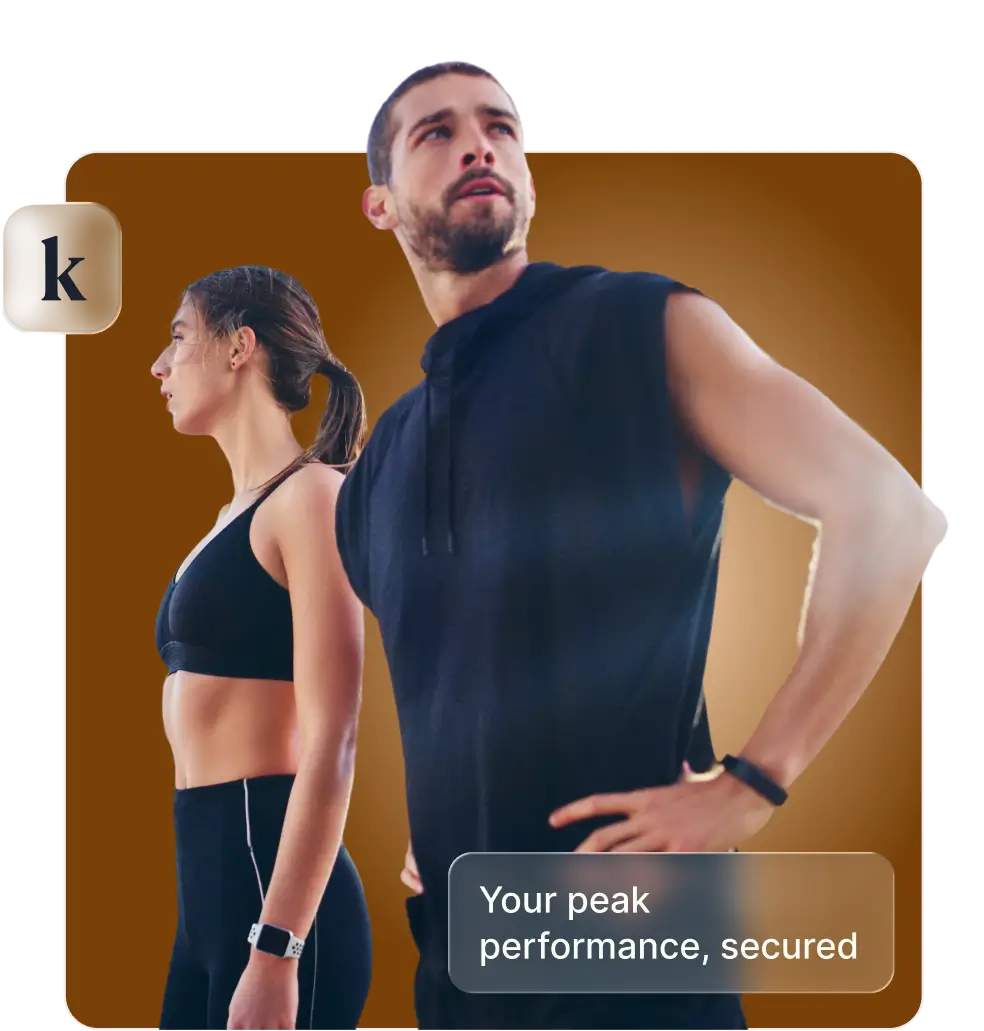
Fit man and woman in athletic wear standing confidently against a brown background with text 'Your peak performance, secured.'
Benefits
The pillars of your transformation
Support energy production
Involved in how the body converts fatty acids into usable cellular energy.
Support metabolic function
Plays a role in how the body transports and utilizes nutrients for fuel.
Help maintain consistency
Used alongside structured routines where energy, recovery, and follow-through matter.
Part of a broader wellness approach
Integrated with nutrition, movement, and lifestyle-focused strategies.
The Science

How the body converts fat into usable energy.

L-Carnitine plays a key role in transporting long-chain fatty acids into the mitochondria, where they are oxidized to produce ATP, the body’s primary form of usable cellular energy. Without efficient fatty acid transport, the body cannot fully utilize fat as a fuel source during activity and daily metabolic processes. Because of this role, L-Carnitine is sometimes included in wellness plans focused on supporting energy metabolism, exercise tolerance, and overall function. Injectable delivery bypasses gastrointestinal absorption, which can provide more predictable bioavailability compared to oral forms. At Kingdom, use is based on clinical context and integrated with nutrition and lifestyle strategies rather than used in isolation.
The Clinical Journey

Guided by experts

Your treatment is not built from a template. Kingdom providers use lab work, health history, and ongoing check-ins to shape a protocol tailored to how your body responds over time.

01
02
03

Take our quiz

Answer a few quick questions to help us understand your goals and medical history.

Meet your provider

Person having a video consultation with a doctor on a laptop showing a smiling male doctor in a white coat.

Meet with a specialized clinician who reviews your data and designs a strategy tailored to you.

Begin your journey

Receive your custom protocol at your doorstep with continuous clinical oversight to ensure your long-term success.

Explore More

Health is a Kingdom

Your optimization might go further. Discover how our other protocols can complement your wellness journey.
FAQS

For every question, an expert answer.

If your question isn't here, don't worry, Ask our experts for clarity on your journey. We’re here to help.

Does L-Carnitine replace diet or exercise?

No. It is used alongside nutrition, movement, and lifestyle strategies because it supports underlying metabolic pathways rather than acting as a standalone solution.

Why is this process important?

Without efficient fatty acid transport, the body cannot fully utilize fat as a fuel source during activity and metabolic function.

Why is injectable L-Carnitine sometimes preferred?

Injectable delivery bypasses digestion and gastrointestinal absorption, which may improve bioavailability compared to oral forms.

Who is typically considered for L-Carnitine support?

It is often discussed in individuals experiencing inconsistent energy, reduced exercise tolerance, or signs of inefficient fuel utilization despite structured nutrition and activity.

How does L-Carnitine support energy production?

By supporting fatty acid oxidation inside the mitochondria, L-Carnitine helps the body generate ATP, the primary source of cellular energy.

What does L-Carnitine do in the body?

L-Carnitine transports long-chain fatty acids into the mitochondria, where they are converted into usable cellular energy.